Warm Plush Puppy Sweatshirt: Fit, Care & Layering Tips
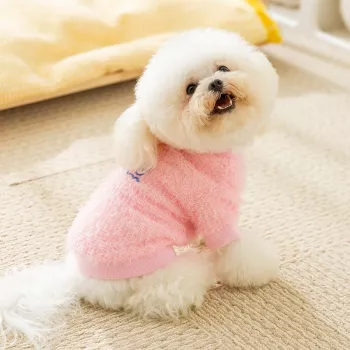
Warm Plush Puppy Sweatshirt: Cozy Layering for Chilly Walks and Lounging
A soft, insulating sweatshirt can make a noticeable difference for small dogs, short-coated breeds, seniors, and pups that shiver when temperatures drop. A warm plush puppy sweatshirt is designed to add comfort without restricting movement, making it a practical layer for morning potty breaks, evening strolls, and indoor lounging. When the air feels crisp or your floors run cold, the right sweatshirt helps your dog stay relaxed and comfortable while still moving naturally.
What Makes a Plush Sweatshirt a Good Cold-Weather Layer
Not every dog needs clothing, but many benefit from an extra layer when temperatures dip—especially during quick trips outside or in homes with drafts. A plush sweatshirt stands out because it balances warmth with everyday wearability.
- Warmth that helps reduce shivering: A cozy fabric can take the edge off chilly air during short outdoor breaks and in cooler rooms.
- Soft, plush feel: Gentle materials can stay comfortable against the coat and help minimize irritation around sensitive areas like the neck and belly.
- Lightweight layering: A sweatshirt can often fit under a harness or a light jacket (depending on the cut) without feeling bulky.
- Everyday versatility: Ideal for naps, car rides, and post-bath warmth while the coat dries.
For general cold-weather safety and common-sense precautions, see the ASPCA’s guidance on cold weather safety tips.
Fit and Comfort Checklist Before Buying
Fit is what turns “cute” into “actually wearable.” A sweatshirt that’s too tight can rub and restrict movement; too loose can twist, bunch, and snag. Before ordering, focus on the measurements that matter most for comfort and mobility.
- Measure chest girth first: This is typically the most important measurement for a secure, comfortable fit.
- Check back length: The sweatshirt should cover the torso without interfering with tail movement or bunching when your dog sits.
- Confirm neck opening comfort: Warmth matters, but the neck should never feel tight or rub during head turns.
- Look for freedom of movement: Make sure the shoulder area and front legs can move without chafing during walking and play.
- Prioritize easy on/off: Helpful for wiggly pups, frequent potty breaks, and senior dogs that don’t enjoy extended wardrobe changes.
Quick Fit Guide for a Puppy Sweatshirt
| Measurement | How to Measure | Comfort Target | Common Mistake to Avoid |
|---|---|---|---|
| Chest girth | Wrap a tape measure around the widest part of the ribcage | Allows two fingers of room under the tape | Sizing only by weight and ending up too tight across the ribs |
| Back length | From base of neck to base of tail (not including tail) | Covers the back without bunching near the tail | Choosing too long and having fabric ride up when sitting |
| Neck | Around the base of the neck where a collar rests | Comfortable, non-rubbing opening | Neck hole too small causing pulling when dressing |
| Leg openings | Check where sleeves/armholes sit at the shoulders | Full stride without friction | Armholes too narrow leading to chafing behind front legs |
When to Use It (and When to Skip It)
A sweatshirt is best treated like any other comfort tool: use it when it helps, and skip it when it could create problems.
- Good for: cool, dry weather; short outings; indoor homes with cold floors; dogs that shiver easily.
- Use caution: energetic play in mild weather can cause overheating—watch for heavy panting, restlessness, or trying to remove the garment.
- Skip in heavy rain: plush fabrics can hold moisture; if you go out anyway, pair with a waterproof outer layer.
- Not a medical substitute: for dogs with illness, very young puppies, or post-surgery needs, consult a veterinarian about safe warming options.
If you’re concerned about cold exposure, review the warning signs and prevention basics in Cornell’s overview of hypothermia in dogs.
Care and Maintenance for Plush Fabrics
Keeping plush clothing clean helps preserve softness and reduces skin irritation from trapped grit. A little routine care also extends the life of seams and hems—especially for dogs that wiggle, roll, or paw at their clothes.
- Shake out debris after walks: this reduces lint buildup and removes dirt before it works into the fibers.
- Wash gently when needed: keep any closures secured to help prevent snagging during laundering.
- Air-dry or use low heat: helps maintain softness and reduces shrink risk.
- Check seams after washing: early repairs can prevent small pulls from turning into larger tears.
Styling and Layering Tips for Everyday Use
Featured Product: Warm Plush Puppy Sweatshirt
If you want a straightforward layer that works for both outdoor walks and indoor downtime, the Warm Plush Puppy Sweatshirt is a cozy option designed for cool-weather comfort. It’s made to provide warmth while keeping movement comfortable for everyday activities like sniffy strolls, quick potty breaks, and relaxed lounging.
Comfort Add-Ons for a Cozier Routine
Consider pairing your sweatshirt routine with a dedicated sleep surface like the Foldable Orthopedic Dog Bed for a more consistent, cozy setup in cooler rooms.
FAQ
How do I measure my dog for a sweatshirt?
Measure chest girth around the widest part of the ribcage first, then measure back length from the base of the neck to the base of the tail, and neck circumference where a collar sits. Leave a small comfort margin (about two fingers under the tape for chest), and check that leg openings won’t rub behind the front legs.
Can my dog wear a plush sweatshirt all day indoors?
Many dogs can if the fit is comfortable and they aren’t overheating. Monitor for heavy panting, restlessness, or itching, and remove it for active indoor play; keep the fabric clean and dry for best comfort.
Is a sweatshirt safe to wear under a harness?
Generally yes, as long as the sweatshirt lies smoothly and doesn’t bunch under straps. After dressing, re-adjust the harness and check for rubbing at the armpits and across the chest during a short test walk.








Leave a comment